
Oral & Dental Care Manuals
Manuals
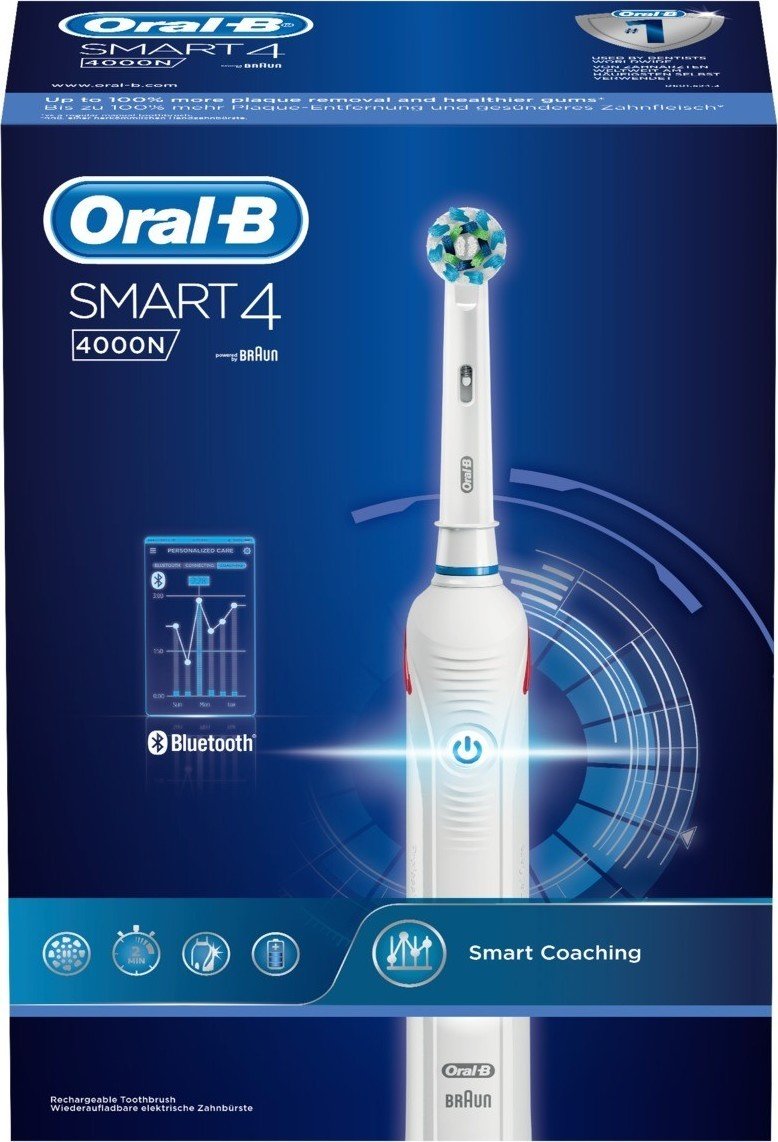
Oral & Dental Care Manuals
Introduction
Oral & Dental Care Manuals serve as comprehensive guides designed to inform, educate, and standardize best practices in oral health maintenance, prevention, diagnosis, and treatment. These manuals are crafted for diverse audiences, including dental professionals, hygienists, caretakers, educators, and patients. They consolidate evidence-based protocols, procedural checklists, patient education materials, and policy recommendations into a single, accessible resource. The goal is to promote consistent, high-quality oral care across clinical and community settings, reduce oral disease burden, and improve overall health outcomes.
Purpose and Scope
Primary Objectives
- Provide step-by-step clinical protocols for common dental procedures and emergency interventions.
- Outline preventive strategies to reduce the incidence of dental caries, periodontal disease, and other oral pathologies.
- Offer patient-centered education tools to encourage better oral hygiene behaviors and adherence to treatment plans.
- Standardize documentation, infection control practices, and quality assurance processes.
Target Audience
Oral & Dental Care Manuals are tailored for:
- Dentists and dental specialists (endodontists, periodontists, prosthodontists, oral surgeons).
- Dental hygienists and assistants involved in preventive care and chairside procedures.
- General healthcare providers integrating oral health into primary care.
- Caregivers and family members supporting individuals with special needs or limited mobility.
- Public health practitioners and community program coordinators implementing oral health initiatives.
- Patients seeking reliable information about oral care, treatment options, and self-care practices.
Core Components
Clinical Guidelines and Protocols
Manuals typically include detailed clinical guidelines covering diagnosis, treatment planning, and procedural steps. This section addresses:
- Diagnostic criteria for common conditions (dental caries, gingivitis, periodontitis, oral mucosal lesions).
- Radiographic interpretation and indications for imaging.
- Restoration protocols for primary and permanent teeth, including material selection and isolation techniques.
- Endodontic principles and workflow for root canal therapy.
- Periodontal assessment and non-surgical/surgical treatment modalities.
- Prosthodontic considerations for crowns, bridges, and removable prostheses.
- Management of dental trauma and acute dental emergencies.
Each procedure is often accompanied by required instruments, recommended materials, contraindications, expected outcomes, and post-operative instructions.
Preventive Care and Oral Hygiene
A substantial portion of the manual emphasizes preventive care, including:
- Daily oral hygiene routines: brushing techniques, flossing methods, interdental cleaning, and use of mouth rinses.
- Fluoride applications: indications for topical fluoride, varnishes, gels, and systemic supplementation.
- Sealants: selection criteria, application technique, and maintenance.
- Dietary counseling: identifying cariogenic foods and advising on sugar reduction and balanced nutrition.
- Behavior modification strategies to improve adherence to home care and appointment schedules.
This section often presents age-specific recommendations for infants, children, adolescents, adults, and older adults, addressing developmental differences and special needs.
Infection Control and Safety
Infection prevention is a critical chapter covering:
- Standard precautions and personal protective equipment (PPE) protocols.
- Instrument sterilization, disinfection procedures, and waterline maintenance.
- Airborne and droplet transmission mitigation strategies in clinical settings.
- Waste management and safe disposal of sharps and contaminated materials.
- Occupational health recommendations, including vaccination, exposure management, and ergonomic considerations.
Clear checklists and flowcharts help ensure consistent compliance with national and international standards.
Special Populations and Considerations
Manuals include guidance tailored to vulnerable or unique populations, such as:
- Pediatric patients: behavioral management, pharmacologic sedation, growth-related considerations, and caries risk management.
- Geriatric patients: polypharmacy impacts on oral health, xerostomia management, prosthetic adjustments, and mobility accommodations.
- Patients with special healthcare needs: strategies for communication, modified techniques, and safety measures.
- Pregnant patients: risk-benefit considerations for radiographs, local anesthesia, and timing of elective treatment.
- Medically complex patients: dental implications of systemic diseases (diabetes, cardiovascular disease, bleeding disorders, immunosuppression) and perioperative management.
Oral-Systemic Health Connections
A modern manual emphasizes the bidirectional links between oral health and systemic conditions. Sections detail evidence linking periodontal disease with diabetes control, adverse pregnancy outcomes, cardiovascular disease, respiratory infections, and nutritional status. The manual advocates interdisciplinary collaboration, referral pathways, and integrated care models to optimize patient outcomes.
Patient Education Materials
Effective manuals provide ready-to-use patient-facing content, including:
- Plain-language explanations of conditions and treatments.
- Visual aids demonstrating brushing and interdental cleaning techniques.
- Home care checklists and appointment reminders.
- Frequently asked questions and myth-busting sections to dispel common misconceptions.
- Culturally sensitive resources and translations for diverse patient populations.
These materials support shared decision-making and enhance patient engagement.
Documentation and Record-Keeping
Accurate documentation standards outlined in the manual cover:
- Medical and dental history intake formats and risk assessment tools.
- Standardized charting conventions and coding practices for diagnoses, procedures, and billing.
- Consent forms, treatment planning templates, and progress notes.
- Data security considerations and compliance with privacy regulations.
Emphasis is placed on documentation that supports continuity of care and medicolegal protection.
Quality Assurance and Performance Improvement
Manuals include frameworks for continuous quality improvement, such as:
- Clinical audit tools to monitor adherence to protocols and patient outcomes.
- Key performance indicators (KPIs) for preventive measures, treatment success rates, and appointment follow-up.
- Root cause analysis templates for adverse events and near misses.
- Staff training schedules, competency checklists, and professional development resources.
These systems help practices maintain high standards and adapt to emerging evidence.
Implementation and Training
Successful implementation requires structured training and change management. The manual outlines:
- Onboarding curricula for new staff and periodic refresher modules.
- Simulation-based training for complex procedures and emergency response drills.
- Interprofessional education sessions to strengthen collaboration with medical providers.
- Monitoring and feedback loops to support adherence and identify barriers.
Supplemental digital tools—videos, e-learning modules, and mobile apps—can enhance uptake and patient education.
Evidence Base and Updates
Oral & Dental Care Manuals are grounded in current scientific literature, professional guidelines, and consensus statements. The manual should:
- Cite authoritative sources and reference key systematic reviews and clinical trials.
- Describe the methodology used to develop recommendations (e.g., expert panels, guideline grading systems).
- Include a schedule and process for regular updates to reflect evolving evidence, new technologies, and regulatory changes.
Transparency about evidence strength helps users make informed clinical decisions.
Ethical and Legal Considerations
The manual addresses ethical obligations and legal responsibilities, including:
- Informed consent, patient autonomy, and capacity assessment.
- Managing conflicts of interest and professional boundaries.
- Mandatory reporting requirements and safeguarding vulnerable patients.
- Compliance with national licensing standards and malpractice risk mitigation.
Guidance on culturally competent care and nondiscrimination principles is also provided.
Technology and Innovation
Contemporary manuals discuss integration of technology to improve care delivery:
- Digital dentistry: CAD/CAM workflows, intraoral scanning, and 3D printing for prosthetics and surgical guides.
- Teledentistry: remote consultations, triage, and follow-up care protocols.
- Electronic health records and interoperability standards for sharing oral health data.
- Use of artificial intelligence for radiographic interpretation, risk stratification, and predictive analytics.
Practical considerations include data security, reimbursement policies, and training requirements.
Evaluation and Impact
Measuring the effectiveness of a manual involves:
- Monitoring clinical outcomes such as reductions in caries incidence, periodontal parameters, and treatment complication rates.
- Assessing patient-reported outcomes including satisfaction, oral health–related quality of life, and behavior change.
- Evaluating operational metrics like appointment no-show rates, treatment completion, and cost-effectiveness.
Evidence of impact supports wider adoption and informs iterative improvements.
Conclusion
Oral & Dental Care Manuals are indispensable tools that synthesize clinical expertise, preventive strategies, patient education, and operational guidance into an integrated resource. By promoting standardized, evidence-based practices and supporting education for both providers and patients, these manuals contribute to improved oral health outcomes, better integration with general healthcare, and enhanced quality of life. Ongoing review, adaptation to local contexts, and incorporation of new evidence and technologies ensure that manuals remain relevant and effective in a rapidly evolving field.
Search for 166 Manuals online


Type-in Brand or Model