
Shaving & Hair Removal Manuals
Manuals
Shaving & Hair Removal Manuals
Introduction
Shaving & Hair Removal Manuals provide comprehensive guidance on techniques, tools, safety, and maintenance for removing unwanted hair from various parts of the body. Whether you are a beginner learning basic wet-shaving, a professional refining advanced waxing and threading skills, or someone exploring long-term hair reduction methods like laser and electrolysis, these manuals serve as a reliable reference. They combine practical step-by-step instructions with anatomical knowledge, skin care recommendations, and troubleshooting tips to help users achieve smooth, comfortable, and lasting results.
Purpose and Scope
The primary purpose of these manuals is to educate readers about safe and effective hair removal practices. They cover a broad scope that includes:
- Fundamentals of hair growth and skin physiology
- Detailed how-tos for shaving, trimming, waxing, sugaring, threading, depilatory creams, epilation, laser, and electrolysis
- Tool selection, maintenance, and sanitation
- Pre- and post-treatment skin care
- Contraindications, risk management, and when to seek professional help
These guides can be tailored for personal users, barbers, estheticians, and medical professionals. Manuals for home use emphasize simplicity and safety, while professional-level texts delve into advanced techniques, client consultations, and business practices.
Anatomy and Physiology Basics
A solid manual begins with an overview of hair structure, growth cycles (anagen, catagen, telogen), and skin layers (epidermis, dermis, subcutaneous tissue). Understanding how hair anchors in follicles and how hormones, genetics, and age affect growth helps explain why certain methods work better for different people and body areas. Sections typically address:
- Hair shaft, root, bulb, and follicle
- Skin types and Fitzpatrick scale for pigmentation assessment
- Sensitivity zones and nerve distribution
- Common skin conditions (acne, eczema, psoriasis) that influence method choice
Tools and Products
Detailed manuals list and compare tools and products, explaining advantages, limitations, and appropriate uses. Key categories include:
- Razors: safety razors, cartridge razors, straight razors, disposable razors
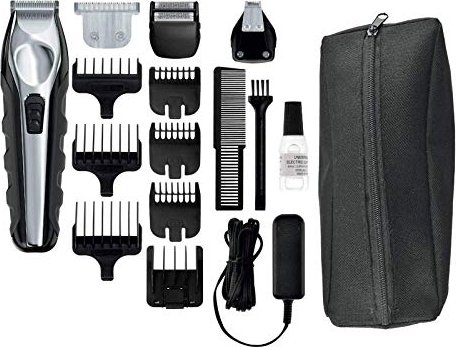
- Electric shavers and trimmers: foil vs. rotary, wet/dry models
- Waxing supplies: hot wax heaters, hard and soft wax formulations, applicators, strips
- Sugaring paste and applicators
- Threading supplies: cotton thread, tensioning methods
- Depilatories: chemical cream formulations and active ingredients
- Epilators: mechanical tweezer systems and pain management
- Laser and IPL devices: diode, Alexandrite, Nd:YAG, and home-use devices
- Electrolysis equipment: galvanic, thermolysis, blend methods
- Aftercare products: antiseptics, moisturizers, exfoliants, calming agents
Maintenance and sanitation protocols for reusable tools—sharpening razors, cleaning clippers, sterilizing instruments—are covered to reduce infection risk and prolong product life.
Shaving Techniques
Shaving chapters outline step-by-step methods for wet and dry shaving, emphasizing safety and comfort. Topics include:
- Preparing the skin: cleansing, exfoliation, and softening hair with water or steam
- Lathering and choosing shaving creams, soaps, or gels
- Proper blade angle, short gentle strokes, and shaving with/against grain guidance
- Single-blade vs. multi-blade considerations and blade replacement frequency
- Managing nicks, cuts, razor burn, and ingrown hairs
- Specific approaches for face, legs, underarms, and intimate areas
Guides also cover special techniques like straight-razor shaving for barbers and precision shaping for facial hair styles.
Waxing and Sugaring
Waxing and sugaring manuals explain thermal safety, application angles, and removal techniques to minimize pain and skin trauma. They often include:
- Choosing between hard and soft wax, and when to use each
- Temperature control and patch testing to prevent burns
- Hair length requirements and optimal growth cycles for waxing
- Strip removal methods and skin tensioning to reduce discomfort
- Sugaring paste recipes and application that adheres to hair, not skin
- Post-wax care to prevent irritation, folliculitis, and hyperpigmentation
Professional sections address client consultation, contraindications (e.g., retinoid use, recent chemical peels), and managing adverse reactions.
Threading and Epilation
Threading manuals offer instructions on hand-eye coordination, thread tension, and patterning for precise hair removal on brows, upper lip, and facial areas. Epilation sections discuss device selection, speed and direction techniques, and pain mitigation strategies such as pre-numbing or cooling.
Chemical Depilatories
These sections explain active ingredients (e.g., calcium thioglycolate, potassium thioglycolate), formulation differences, and safe application methods. Manuals emphasize:
- Patch-testing for allergies and sensitivity
- Timing guidelines to avoid chemical burns
- Proper removal, cleansing, and moisturizing after treatment
- Limitations on frequency and incompatibilities with other skin treatments
Long-Term Hair Reduction: Laser & Electrolysis
Advanced manuals provide technical details for laser and electrolysis methods used in long-term hair reduction. Topics include:
- How lasers target melanin and why hair color and skin tone matter
- Device types (diode, Alexandrite, Nd:YAG) and their ideal use cases
- Pre-treatment protocols: avoiding sun exposure, stopping certain topical agents, and hair trimming
- Treatment schedules aligned with hair growth cycles
- Possible side effects: hyperpigmentation, hypopigmentation, blistering
- Electrolysis methods: galvanic, thermolysis, blend; needle types and insertion techniques
- Aftercare and follow-up to reduce complications and optimize outcomes
Regulatory considerations, licensing, and training requirements for professionals are also discussed.
Safety, Contraindications, and Risk Management
Comprehensive manuals prioritize safety, listing contraindications for each method and providing decision trees to determine eligibility. Typical content covers:
- Identifying infections, lesions, or moles that require medical clearance
- Medications and topical agents (e.g., retinoids, antibiotics) that increase risk
- Managing allergic reactions and infections
- Pain control options and patient communication strategies
- Record-keeping, consent forms, and hygiene protocols for salons and clinics
Skin Care and Post-Removal Regimens
Effective aftercare is essential to prevent irritation and promote healthy skin. Manuals recommend routines including:
- Immediate cooling and soothing agents (aloe vera, chamomile extracts)
- Antimicrobial cleansers when needed
- Gentle exfoliation schedules to prevent ingrown hairs
- Moisturizing and barrier-repair products
- Sun protection to avoid post-inflammatory pigmentation
They also provide tailored regimens for sensitive skin, acne-prone skin, and aging skin.
Troubleshooting and Managing Complications
Practical troubleshooting sections help users address common issues:
- Treating razor burn, bumps, and minor cuts
- Reducing and preventing ingrown hairs with chemical and physical exfoliation
- Addressing hyperpigmentation after hair removal
- Recognizing signs of infection or scarring and when to refer to a dermatologist
Case studies and frequently asked questions often clarify uncommon scenarios.
Professional Practice and Client Care
Manuals for professionals include business-focused chapters on client intake forms, consultation workflows, contraindication screening, salon hygiene standards, equipment procurement, pricing, and marketing. Emphasis is placed on building trust, setting realistic expectations, and maintaining high standards of safety and sanitation.
Environmental and Ethical Considerations
Increasingly, manuals discuss sustainability and ethical sourcing: reducing single-use plastics, choosing cruelty-free and eco-friendly products, and responsible disposal of chemical wastes. Guidance on inclusive practices—serving clients of varying genders, body types, and cultural backgrounds—is also provided.
Learning Resources and Certification
Good manuals point readers toward additional learning: workshops, certification programs, professional associations, peer-reviewed studies, and credible online resources. They may include step-by-step photos, diagrams, checklists, glossaries, and assessment quizzes to reinforce learning.
Conclusion
Shaving & Hair Removal Manuals are essential references that combine science, technique, safety, and client care. Well-designed manuals empower individuals and professionals to perform hair removal effectively while minimizing risks and respecting skin diversity. Whether used for everyday grooming or advanced esthetic practice, these guides create a foundation for confident, informed decisions about hair removal methods and aftercare.
Search for 166 Manuals online


Type-in Brand or Model