
Coffee & Tea Manuals
Manuals
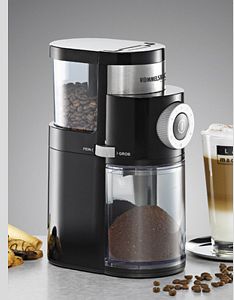
Coffee & Tea Manuals
Introduction
Coffee & Tea Manuals are comprehensive guides designed to educate, instruct, and inspire both novices and experienced practitioners in the preparation, appreciation, and business of coffee and tea. These manuals encompass a broad range of topics, from plant origins and processing methods to brewing techniques, equipment maintenance, sensory evaluation, and café operations. Whether created for home enthusiasts, specialty baristas, tea sommeliers, or commercial operators, these resources aim to standardize best practices, elevate beverage quality, and preserve the cultural and scientific knowledge surrounding two of the world’s most beloved beverages.
Purpose and Audience
Coffee & Tea Manuals serve multiple purposes and target diverse audiences. Key objectives include:
- Educating newcomers on basics such as terminology, equipment, and foundational techniques.
- Providing step-by-step procedures for consistent beverage preparation in home, retail, or institutional settings.
- Documenting quality control protocols, safety standards, and sanitation procedures for commercial operations.
- Offering advanced guidance for professionals on sensory analysis, recipe development, and specialty service.
- Preserving traditional methods and cultural context while integrating modern scientific understanding.
Primary audiences include home brewers, hobbyists, baristas, café owners, tea shop operators, trainers, and educators. Manuals may be tailored to different expertise levels, from beginner primers to advanced technical handbooks.
Core Components of a Manual
A well-structured Coffee & Tea Manual typically includes the following sections:
1. Background and Origins
Covers botanical classifications, geographical origins, cultivar/varietal differences, and historical context. For coffee, this might describe Arabica vs. Robusta, terroir impacts, and processing methods (washed, natural, honey). For tea, it would include Camellia sinensis varieties, regional styles (green, oolong, black, white, pu-erh), and traditional production techniques.
2. Harvesting and Processing
Explains harvesting practices, post-harvest processing, fermentation, drying, and storage. Emphasizes how each step—the timing of harvest, processing choices, and storage conditions—affects flavor, quality, and shelf life.
3. Roasting and Curing (Coffee)
Details roasting theory, roast profiles, development time, and how roast level influences acidity, body, aroma, and aftertaste. May include roast curve examples, troubleshooting tips, and guidelines for maintaining roast consistency.
4. Withering, Oxidation, and Firing (Tea)
Describes withering, oxidation control (for oolong and black teas), rolling, shaping, firing, and aging processes for post-fermented teas. Discusses how manipulation of oxidation and heat produces different tea types and flavor compounds.
5. Equipment and Tools
Lists essential equipment—from basic home gear (kettles, grinders, scales) to commercial espresso machines, grinders, brewers, and tea infusion tools. Includes maintenance schedules, calibration procedures, and parts care to ensure longevity and consistent performance.
6. Water Quality and Chemistry
Explores the critical role of water composition (mineral content, pH, hardness) in extraction and flavor. Provides recommendations for water treatment, mineral balance, and testing methods to achieve optimal extraction for both coffee and tea.
7. Grinding, Brewing, and Extraction
Offers precise instructions on grind size, dose, brew ratios, water temperature, and extraction time for methods such as drip, pour-over, French press, Aeropress, espresso, cold brew, and various tea infusion techniques. Includes recipe tables and adjustment strategies to fine-tune flavor.
8. Sensory Evaluation and Cupping
Describes formal evaluation methods: cupping protocols for coffee and sensory sessions for tea. Covers aroma, flavor categories, mouthfeel, acidity, astringency, and off-flavors. Provides scoring systems and training exercises to develop tasting acuity.
9. Recipes and Beverage Development
Presents classic and contemporary recipes for hot and cold beverages, milk-based drinks, tea blends, and flavored preparations. Encourages experimentation with proportions, infusion times, and complementary ingredients while documenting repeatable recipes.
10. Food Safety, Hygiene, and Compliance
Outlines sanitation standards, allergen management, temperature controls, and regulatory compliance relevant to foodservice. Includes cleaning protocols, personal hygiene requirements, and safe storage practices to minimize contamination risk.
11. Service, Presentation, and Customer Experience
Guides front-of-house service techniques, latte art basics, tea service rituals, menu design, and storytelling about origin and tasting notes. Emphasizes training staff on consistent preparation and attentive customer engagement.
12. Business Operations and Cost Control
Covers inventory management, supplier sourcing, pricing strategies, portion control, waste reduction, and simple accounting methods tailored to coffee and tea businesses. Includes sample checklists and operational SOPs to ensure predictable service.
Structure and Format
Manuals vary in format but often include:
- Step-by-step procedures with numbered instructions.
- Illustrations, diagrams, and photographs for equipment, techniques, and anatomy of plants/beans/leaves.
- Tables of recipes and extraction parameters for quick reference.
- Troubleshooting flowcharts and FAQ sections for common problems.
- Glossaries of terms and measurement conversions.
- Appendices with supplier contact templates, checklists, and regulatory references.
Best Practices for Authors
When creating a Coffee & Tea Manual, authors should:
- Use clear, concise language and consistent terminology to minimize confusion.
- Base recommendations on empirical testing and industry standards while noting regional or equipment-specific variations.
- Include versioning and update logs to reflect evolving techniques, regulations, and research.
- Provide actionable, measurable parameters (weights, temperatures, times) rather than vague descriptions.
- Incorporate sensory training exercises to help readers apply theoretical knowledge practically.
Advanced Topics and Specializations
Some manuals delve into advanced or niche areas such as:
- Green coffee sourcing, traceability, sustainability certifications, and farmer partnerships.
- Specialty espresso dialing and micro-extraction theory for competition-level performance.
- Tea blending theory, formulation for functional blends, and commercial-scale infusion processes.
- Cold extraction chemistry, nitro infusions, and high-volume batching techniques.
- Laboratory methods for moisture analysis, mycotoxin testing, and quality assurance metrics.
Digital and Multimedia Enhancements
Modern manuals often supplement text with digital resources: video demonstrations, interactive calculators for recipe scaling, downloadable cupping forms, and mobile-friendly checklists. Multimodal content accelerates learning—visual guides for technique and audio descriptors for sensory training enhance comprehension.
Sustainability and Ethics
Responsible manuals address environmental and social impacts: sustainable farming practices, water and energy conservation in processing and brewing, fair trade considerations, packaging reduction, and waste management strategies. They encourage ethically sourced ingredients and transparent supply chain practices.
Customization and Localization
Effective manuals are adaptable to local contexts. Localization can include metric/imperial conversions, regional ingredient availability, culturally relevant service styles, and regulatory specifics. Custom SOPs for individual cafés or tea rooms ensure the manual is practical and enforceable in a given setting.
Implementation and Training
Rolling out a manual within an organization requires a training plan: workshops, hands-on practice sessions, competency assessments, and mentorship. Regular refresher courses and performance audits help maintain standards and identify areas for improvement.
Troubleshooting Common Issues
Manuals should provide troubleshooting guidance for issues such as under- or over-extraction, equipment failures, off-flavors, inconsistent steaming or infusion, and batch variability. Checklists and decision trees help staff quickly diagnose and correct problems.
Measuring Quality and Continuous Improvement
Establish key performance indicators (KPIs) such as drink consistency scores, customer satisfaction, waste percentages, and sales metrics. Use sensory calibration sessions, blind tastings, and customer feedback loops to iteratively refine recipes, processes, and training.
Conclusion
Coffee & Tea Manuals are vital tools for preserving knowledge, ensuring consistency, and elevating the craft of beverage preparation and service. Well-crafted manuals balance technical precision with accessible instruction, integrate sensory and cultural dimensions, and provide operational frameworks that support quality, safety, and sustainability. Whether for a home enthusiast seeking better morning brews or for a specialty café aiming for excellence, these manuals provide the structured guidance necessary to deliver exceptional coffee and tea experiences.
Further Reading and Resources
Readers are encouraged to consult specialty association guidelines, scientific literature on extraction chemistry, and industry training programs for in-depth study. Supplementary materials—such as supplier lists, testing kits, and audiovisual tutorials—can enhance practical application and ongoing professional development.
Search for 166 Manuals online


Type-in Brand or Model