
Cooking & Baking Manuals
Manuals
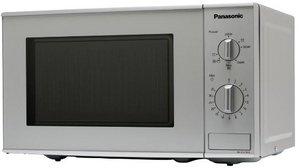

Cooking & Baking Manuals
Introduction
Cooking & Baking Manuals are comprehensive guides designed to teach, refine, and inspire culinary skills for home cooks, professional chefs, and enthusiasts. They combine step-by-step instructions, fundamental techniques, ingredient science, safety guidance, and creative inspiration to help readers produce reliable, delicious results. Whether focused on basic kitchen skills, specialized baking techniques, international cuisines, or professional pastry work, these manuals bridge the gap between recipe collections and formal culinary education.
Purpose and Audience
Who benefits
- Home cooks seeking dependable techniques and clearer outcomes.
- Bakers who want to learn foundational principles and advanced pastry methods.
- Culinary students and professionals needing reference material and standardized procedures.
- Food bloggers, recipe developers, and culinary educators aiming to communicate techniques clearly.
Why manuals matter
Unlike single recipes, manuals teach transferable skills and problem-solving: how to balance flavors, modify formulas, scale recipes, troubleshoot issues, and maintain consistency. They provide the conceptual frame—why an ingredient behaves a certain way and how technique affects texture, flavor, and presentation—enabling cooks to adapt and innovate confidently.
Core Components of Effective Manuals
Foundational Techniques
A solid manual begins with essential techniques: knife skills, mise en place, temperature control, mixing methods, dough handling, proofing, lamination, and finishing touches. Each technique should include clear steps, visual cues, and variants to suit different equipment or ingredient availability.
Ingredient Science and Functionality
Explaining ingredient roles—leaveners, fats, sugars, flours, emulsifiers, stabilizers, and acids—empowers readers to understand substitutions and predict outcomes. Manuals often cover how protein content in flour affects crumb, how sugar interacts with yeast and freezing, and how fat type influences mouthfeel and shelf life.
Equipment and Tools
A detailed inventory of essential and optional equipment (oven types, mixers, scales, thermometers, proofing baskets, pastry tools) helps readers choose appropriate tools for techniques and scale. Guidance on calibration, maintenance, and creative tool substitutions increases accessibility.
Recipes as Demonstrations
Recipes in manuals serve to demonstrate techniques rather than merely provide finished dishes. Each recipe typically includes purpose, skill focus, step-by-step method, timing cues, common pitfalls, and adaptations for dietary needs or ingredient limitations.
Troubleshooting and FAQs
Troubleshooting sections address common problems—dense breads, collapsed cakes, curdled batters, soggy bottoms—and offer cause-effect reasoning with corrective steps. FAQs anticipate reader questions and clarify ambiguous stages like dough hydration or doneness indicators.
Safety, Hygiene, and Food Storage
Manuals emphasize safe food handling, cross-contamination prevention, correct temperature control for perishable items, and best practices for storing baked goods to maintain quality. Allergy-aware advice and labeling for high-risk ingredients add practical safety.
Structure and Presentation
Clear, Progressive Layout
Effective manuals are organized from basics to advanced topics, with each chapter building on previous skills. They often begin with foundations (tools, ingredients, techniques), progress through fundamental recipes (breads, cakes, pastries), and culminate in complex, composed desserts or multi-component savory projects.
Visual Learning
Step-by-step photography, diagrams, and process illustrations clarify stages that are hard to convey in words alone—dough consistency, crumb structure, lamination layers, and piping techniques. Timelines, flowcharts, and cross-sections help visualize internal structures and timing relationships.
Conversions and Scaling
Because precision matters in baking, manuals include weight-based measurements, conversion tables, and scaling rules. Guidance on scaling formulas for home ovens versus commercial production ensures reproducible results across batch sizes.
Glossary and Indexing
A clear glossary defines culinary jargon and technical terms; an index or cross-referenced system lets readers quickly find techniques, troubleshooting tips, or related recipes.
Special Topics in Baking Manuals
Yeast and Fermentation
In-depth coverage of yeast biology, fermentation control (temperature, time, hydration), preferments (poolish, biga, sourdough starter), and cold retardation enables predictable flavor and texture development. Manuals explain how fermentation impacts acidity, gluten structure, and shelf life.
Pastry Science and Laminated Doughs
Detailed methods for puff pastry, croissants, and Danish dough cover lamination techniques, butter temperature control, folding patterns, and resting cycles to achieve distinct layers and oven spring.
Chocolate and Sugar Work
Advanced sections address tempering chocolate, making ganaches, sugar pulling, blown sugar, and isomalt usage. Manuals include safety warnings for high-temperature sugar work and storage techniques to manage humidity.
Gluten-Free and Alternative Baking
With growing dietary requirements, manuals increasingly include gluten-free flours, binders, and technique adjustments. They explain how starch ratios, hydration, and leavening must be adapted to achieve desirable crumb and structure.
International Techniques and Traditions
Exploring regional breads, pastries, and baking traditions—baguettes, focaccia, panettone, mooncakes, burek—manuals offer cultural context and technique variations, helping readers respect authenticity while adapting to local ingredients.
Developing Intuition and Creativity
Manuals aim not only to teach steps but to cultivate culinary intuition: understanding when a dough is ready by touch, recognizing aroma cues, and judging bake color rather than relying solely on timers. Exercises that encourage experimentation—altering hydration, trying different fats, or layering flavors—build confidence and creativity.
Educational Approaches and Formats
Modular Learning
Designing manuals in small, focused modules allows readers to master single techniques independently before combining them into complex projects.
Workshop and Lab Exercises
Hands-on exercises, timed practice sessions, and challenge recipes reinforce muscle memory and judgment. Suggested practice schedules and checkpoints accelerate skill acquisition.
Multimedia Integration
Modern manuals often pair printed guidance with video demonstrations, downloadable templates (scaling spreadsheets, proofing charts), and interactive troubleshooting tools to cater to varied learning styles.
Practical Tips for Authors and Instructors
- Write with clarity and assume varying baseline knowledge; include both concise steps and explanatory sidebars.
- Use precise measurements, temperature references, and timing guidelines, but also provide sensory cues for flexibility.
- Test recipes across different ovens and equipment to ensure broader reproducibility.
- Include vegetarian, vegan, and allergy-conscious adaptations where possible.
- Encourage sustainable practices: minimizing waste, using seasonal ingredients, and repurposing leftovers.
Conclusion
Cooking & Baking Manuals are indispensable resources that transform isolated recipes into a coherent body of knowledge. By combining technique, science, troubleshooting, and creative inspiration, they enable readers to produce consistent results, solve problems independently, and expand their culinary repertoire. Whether for a beginner learning to proof dough or a professional refining laminated pastry skills, a well-crafted manual becomes a trusted companion on the path to confident, creative baking and cooking.
Search for 166 Manuals online


Type-in Brand or Model