
Lighting Manuals
Manuals
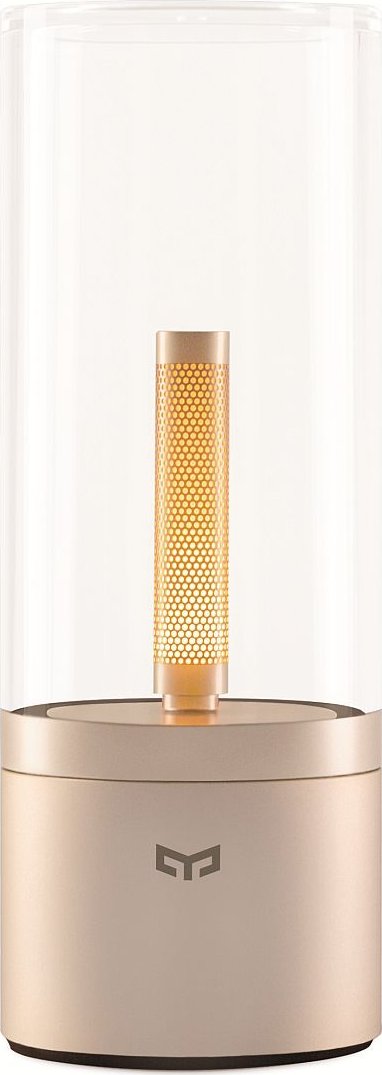
Lighting Manuals
Overview
Lighting manuals are comprehensive documents that provide guidance on the planning, selection, installation, operation, and maintenance of lighting systems. They serve as authoritative resources for architects, lighting designers, electrical engineers, contractors, facilities managers, and building owners. A well-crafted lighting manual covers technical specifications, design criteria, performance metrics, safety considerations, energy efficiency strategies, control systems, and compliance with codes and standards. These manuals can be produced for specific buildings, campuses, product families, or as generalized industry guides.
Purpose and Scope
Purpose
Lighting manuals aim to standardize practices, improve quality and consistency, ensure occupant comfort and safety, and optimize energy use. They translate research, standards, and best practices into actionable instructions that stakeholders can follow throughout the building lifecycle — from conceptual design to commissioning and ongoing maintenance.
Scope
The scope of a lighting manual varies depending on its intended audience and application. Common scopes include:
- Building-level manuals that prescribe lighting for interiors and exteriors of a single facility.
- Campus or portfolio manuals that harmonize lighting across multiple buildings or sites.
- Product or manufacturer manuals that describe installation, operation, and maintenance of specific lighting fixtures or control systems.
- Regulatory or standards-aligned manuals focused on compliance with local codes, energy efficiency programs, or accessibility standards.
Structure and Typical Contents
A practical lighting manual is organized to be user-friendly and actionable. Typical sections include:
Introduction
- Purpose and intended audience
- Project context and objectives
- Definitions and acronyms
Design Principles
- Lighting design goals: visual comfort, task performance, ambiance, safety
- Human-centric considerations: glare control, color rendering (CRI), color temperature (CCT), circadian impacts
- Daylighting integration and solar control
Technical Criteria
- Illuminance targets (lux or foot-candles) for different space types and tasks
- Uniformity ratios and contrast limits
- Lumen maintenance expectations and photometric requirements
- Color metrics: CRI, TM-30, CCT ranges and recommendations
Fixture Selection and Placement
- Selection criteria by space type (e.g., offices, classrooms, corridors, exterior site lighting)
- Mounting heights, aiming, shielding, and beam distribution
- Recommended families or types of fixtures (troffers, downlights, linear, high-bay, wall-washers, bollards)
Controls and Automation
- Lighting control strategies: manual switching, occupancy sensing, daylight harvesting, scheduling, dimming
- Networked and addressable lighting control systems (DALI, DMX, BACnet integration)
- Commissioning and programming best practices
Energy and Sustainability
- Energy targets and benchmarking (kWh/m2, lighting power density limits)
- Use of efficient sources (LEDs, solid-state lighting) and ballast/driver specifications
- Incentives, certifications, and programs (LEED, WELL, Energy Star)
Installation and Commissioning
- Mounting, wiring, and grounding practices
- Thermal management and driver placement
- Commissioning checklists: verification of photometrics, control sequences, dimming ranges, and sensor calibration
Operation and Maintenance
- Cleaning, lamp/driver replacement, and inspection schedules
- Troubleshooting common issues: flicker, color shift, failure modes
- Record-keeping: as-built drawings, firmware versions, control system documentation
Safety and Compliance
- Code references: electrical codes, building codes, accessibility standards, dark-sky ordinances
- Emergency and egress lighting requirements
- Photobiological safety and glare mitigation
Appendices and Resources
- Typical calculations and sample layouts
- Lighting schedules and specification templates
- Glossary, vendor contacts, and reference standards
Design Principles in Depth
Visual Comfort and Task Performance
Comfortable lighting supports visual tasks without causing fatigue or discomfort. Manuals often recommend target illuminance levels tailored to task criticality — higher levels for precision tasks and lower, softer levels for circulation or relaxation spaces. Guidelines for glare control (UGR thresholds, shielding techniques) and proper contrast help preserve visual acuity.
Color Quality and Human Health
Color rendering and color temperature affect how spaces look and how occupants feel. Lighting manuals address CRI or TM-30 scores to ensure accurate color perception, particularly for retail, healthcare, and art spaces. Increasingly, manuals also include recommendations for dynamic or tunable white systems to support circadian rhythms and occupant well-being.
Daylighting and Integration
Daylighting reduces energy use and improves occupant satisfaction when properly integrated. Manuals provide strategies for daylighting design, such as window placement, shading devices, and daylight-responsive controls to balance natural and artificial light while preventing glare and thermal discomfort.
Technical Specifications and Controls
Metrics and Measurement
Key metrics for specifying lighting performance include luminous flux (lumens), luminous efficacy (lm/W), correlated color temperature (CCT), color rendering (CRI/TM-30), and luminous intensity distribution. Manuals prescribe how to measure and verify these metrics using standardized procedures and photometric reports.
Controls Strategy
Effective controls reduce energy use and enhance user experience. Typical control layers in a manual include:
- Basic local switching and dimming for occupant control
- Occupancy/vacancy sensors to reduce run-hours
- Daylight dimming and blind integration for daylight harvesting
- Time scheduling and setback modes for predictable energy savings
- Networked control for scene-setting, monitoring, and remote diagnostics
Integration guidance ensures controls interoperate with building automation systems, energy dashboards, and fault-detection tools. Manuals should address cybersecurity and maintenance of firmware and software.
Energy, Lifecycle, and Cost Considerations
Lighting manuals balance upfront capital costs with lifecycle operating expenses. They include guidance on:
- Lifecycle cost analysis comparing lamp/fixture types and control strategies
- Maintenance factor assumptions and lumen depreciation rates for specified products
- Rebates, tax incentives, and program compliance to offset cost
Sustainability sections often address end-of-life disposal, recyclability, and strategies to minimize material waste during refurbishment.
Installation, Commissioning, and Verification
Installation Best Practices
Correct installation preserves design intent and reliability. Manuals detail mounting hardware, seismic considerations, wiring methods, and environmental protections for exterior fixtures. Specific instructions for LED driver placement and thermal management prevent premature failures.
Commissioning Procedures
Commissioning verifies that the installed system meets design and performance targets. Manuals provide step-by-step checklists for:
- Photometric verification using light-level measurements
- Control sequence testing and sensor calibration
- Integration testing with building management systems
Documentation of commissioning results and corrective actions completes the handover package.
Operation, Maintenance, and Troubleshooting
Well-documented O&M procedures extend system life and reduce downtime. Typical manual content includes:
- Routine inspection schedules and cleaning procedures
- Replacement part lists and ordering codes
- Diagnostic workflows for addressing issues such as flicker, color variation, failures, and sensor malfunctions
Training recommendations for facilities staff and provision of digital assets (as-built files, software credentials) facilitate ongoing operations.
Safety, Codes, and Accessibility
Lighting manuals ensure compliance with applicable codes and standards. They reference national and local electrical and building codes, egress and emergency lighting rules, and accessibility standards for signage and contrast. Exterior lighting guidance may include light trespass and dark-sky considerations to minimize ecological and neighbor impacts.
Customization and Implementation
A high-quality lighting manual is adaptable. Project teams should tailor lighting criteria, control strategies, and maintenance plans to local climate, building use, occupant needs, and budget. Manuals often include modular templates so teams can select applicable sections and modify numeric targets or product lists to reflect locale-specific regulations and supply chains.
Benefits of Using Lighting Manuals
- Consistency: Ensures uniform quality across projects or portfolios
- Efficiency: Shortens design cycles by providing pre-defined criteria and templates
- Risk reduction: Clarifies responsibilities and reduces installation and commissioning errors
- Energy savings: Encourages best practices in controls and efficient sources
- Longevity: Supports effective maintenance and easier troubleshooting
Creating and Maintaining a Lighting Manual
Developing a manual involves collaboration among designers, engineers, facility staff, and stakeholders. Steps include:
- Defining objectives and stakeholder needs
- Gathering existing standards, baseline surveys, and operational data
- Drafting criteria, templates, and technical specifications
- Piloting the manual on a sample project and updating based on feedback
- Establishing a review cycle to incorporate new technologies, standards, or lessons learned
Continual revision keeps the manual relevant as LEDs, controls, and integration methods evolve.
Conclusion
Lighting manuals are indispensable tools for delivering reliable, comfortable, energy-efficient lighting. They distill technical knowledge into practical instructions for every phase from design to maintenance. When carefully prepared and maintained, lighting manuals improve occupant well-being, reduce energy use, and simplify long-term facility operations.
Further Reading and Resources
- National and international standards (e.g., ANSI/IES, IEC) for lighting metrics and measurement
- Energy code references and local amendments
- Manufacturer specification sheets and photometric files
- Best-practice guides from professional societies and certification programs
Search for 166 Manuals online


Type-in Brand or Model