
Marstek B2500 Manual
PDF manual · 60 Pages
English



Ask a Question
Frequently Asked Questions
The B2500 uses a LiFePO4 battery with a nominal capacity of 2240Wh (approximately 50,000mAh at 44.8V). LiFePO4 chemistry ensures long cycle life and thermal stability.
Is this answer helpful?
Yes. Use solar panels within the specified voltage range (12–59V DC) and adhere to maximum input power limits. The unit uses MPPT to optimize solar charging; actual performance depends on weather and panel configuration.
Is this answer helpful?
No. Airline regulations prohibit lithium batteries over 100Wh in passenger baggage, and the B2500’s capacity far exceeds this limit, so air transport is not permitted.
Is this answer helpful?
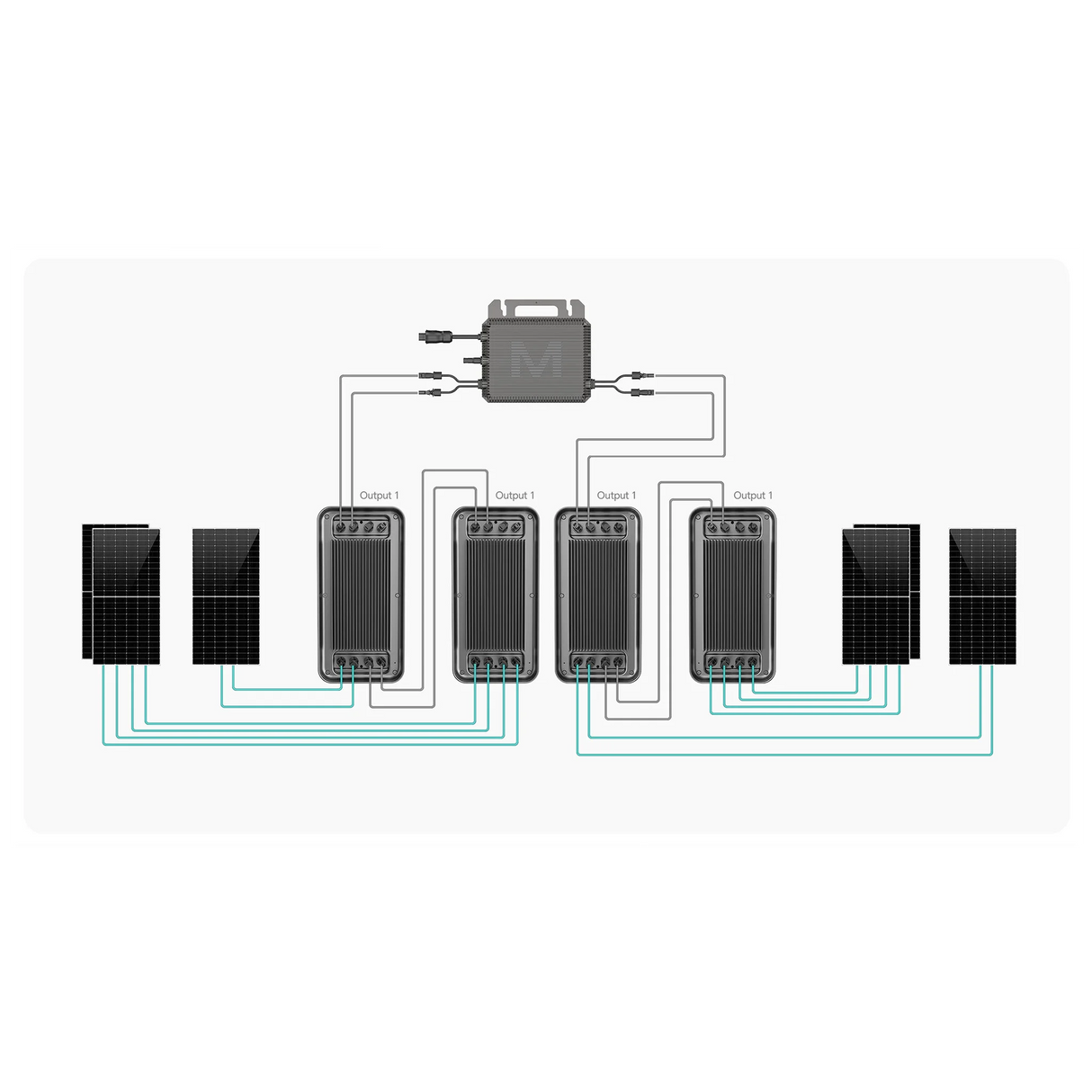
Connect the micro-inverter MC4 input to the B2500 MC4 OUT and follow the manual’s guidance: if two micro-inverters cause abnormal behavior, connect one to Output1 and disconnect or separately connect the other to solar to avoid internal reference conflicts.
Is this answer helpful?
Charge between 0°C and 50°C; operate between -10°C and 50°C. For longest battery life, keep usage around 20–30°C. If charging below 0°C, place the unit in an insulated environment.
Is this answer helpful?
For long-term storage, discharge the unit to about 20% and recharge to about 80% every three months to preserve battery health.
Is this answer helpful?
The app provides real-time monitoring of charging and discharging, device management, charging/discharge mode configuration, scheduling of output periods and power levels, smart power control, Wi‑Fi setup, sharing devices, and viewing statistics. Ensure correct server region selection for full data sync.
Is this answer helpful?
Advantages and Disadvantages
Advantages

- High-capacity 2240Wh LiFePO4 battery with long cycle life and IP65 durability.
- MPPT solar charging and multiple PV inputs for efficient and flexible solar integration.
- App control via Bluetooth/Wi‑Fi for real-time monitoring, scheduling and smart power control.
- Comprehensive safety protections: overcharge, over-discharge, overcurrent, overtemperature, short circuit and overvoltage.
- Expandable via extra battery ports to increase usable capacity for longer off-grid use.
Disadvantages

- Large battery capacity prohibits air transport and complicates certain travel plans.
- Micro-inverter compatibility can require specific wiring to avoid internal reference conflicts.
- Some accessories (extra batteries, panels, micro-inverters) must be purchased separately.
- Optimal performance sensitive to temperature; charging below 0°C requires special precautions.
- Weight and dimensions (approximately 18.7 kg) reduce portability for long treks.
Product Description
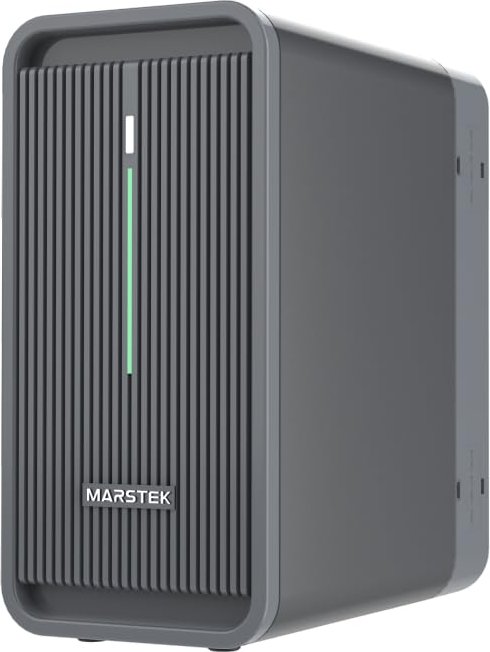
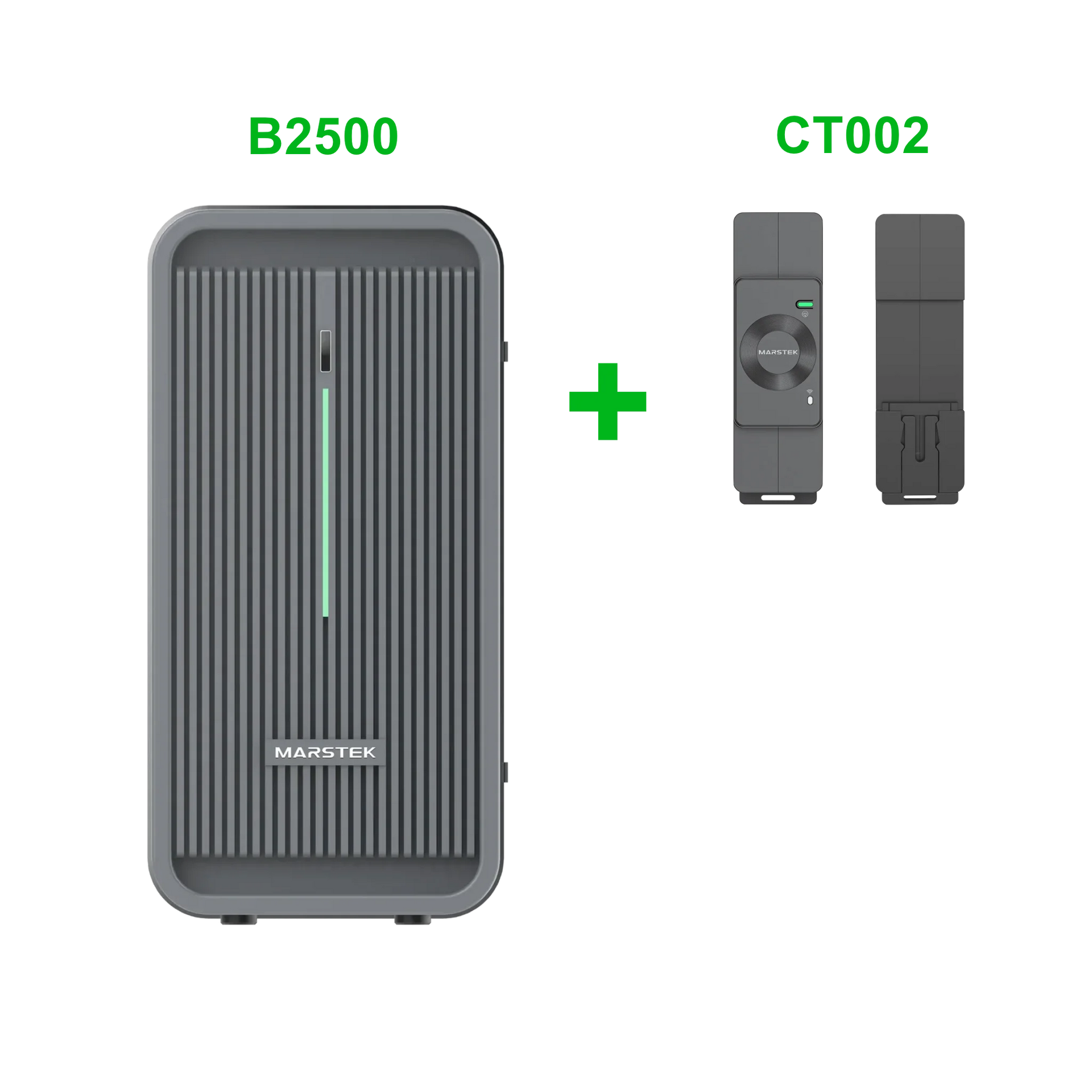
Marstek B2500 — Portable LiFePO4 Power Station
The Marstek B2500 is a rugged, high-capacity portable power station designed for reliable off-grid energy. With a 2240Wh LiFePO4 battery (50,000mAh/44.8V), IP65 durability, and extensive safety protections, it suits outdoor adventures, emergency backup and small off-grid installations. The unit supports expansion via extra battery ports and provides dedicated PV inputs and outputs for solar charging and micro-inverter integration.
Key features and usage
Equipped with multiple PV inputs (12–59V) and regulated outputs, the B2500 uses MPPT technology to maximize solar charging efficiency. The station accepts up to roughly 800W of solar input across its ports and offers configurable PV passthrough or charge-then-discharge modes. Users can connect micro-inverters via MC4 outputs; the manual notes special wiring guidance when pairing multiple micro-inverters to avoid internal reference conflicts.
Start-up is simple: connect solar panels to PV IN, plug micro-inverter MC4 input into MC4 OUT, then long-press the power button to wake the unit. For storage, Marstek recommends cycling the battery every three months (discharge to ~20% then recharge to ~80%) and operating the unit ideally between 20–30°C to extend battery life. Charging is supported between 0–50°C, and operation is rated from -10–50°C with storage tolerance up to -10–55°C.
Connectivity and app control
The Marstek app (Android 6.0 / iOS 12.0 or later) pairs via Bluetooth or Wi‑Fi to provide real-time monitoring of charge/discharge status and energy production. Through the app you can add and manage devices, configure charging/discharge modes, set discharge thresholds and time periods, enable smart power control, share device access, and view statistics. Correct server selection (EU, China, US/Non-EU) is required to retrieve device history.
Safety and warranty
Comprehensive protections include overcharge, over-discharge, overcurrent, overtemperature, short circuit and overvoltage safeguards. The B2500 should not be used with damaged cables or modified batteries, and Marstek warns against exposing the unit to open flame or temperatures over 130°C. Warranty coverage is three years from purchase, with exclusions for physical damage, unauthorized disassembly, human-caused performance issues, and acts of nature.
Practical notes
- Suitable for camping, emergency backup, and micro-inverter solar setups.
- Use compatible solar panels (12–59V range) and observe micro-inverter rated power limits.
- Avoid prolonged direct sunlight and elevated humid/wet locations; raise unit if balcony flooding occurs.
Short tips
- Long-press power button to turn on/off; 10s press to power down.
- Rotate the cable removal tool 90° to unplug MC4 extension cables.
- Keep firmware/app and server region configured for proper data sync.
Notes:
- Additional batteries and some accessories sold separately.
- Not permitted for air transport due to battery capacity restrictions.
Search for 166 Manuals online


Type-in Brand or Model