
Air Cooling Manuals
Manuals
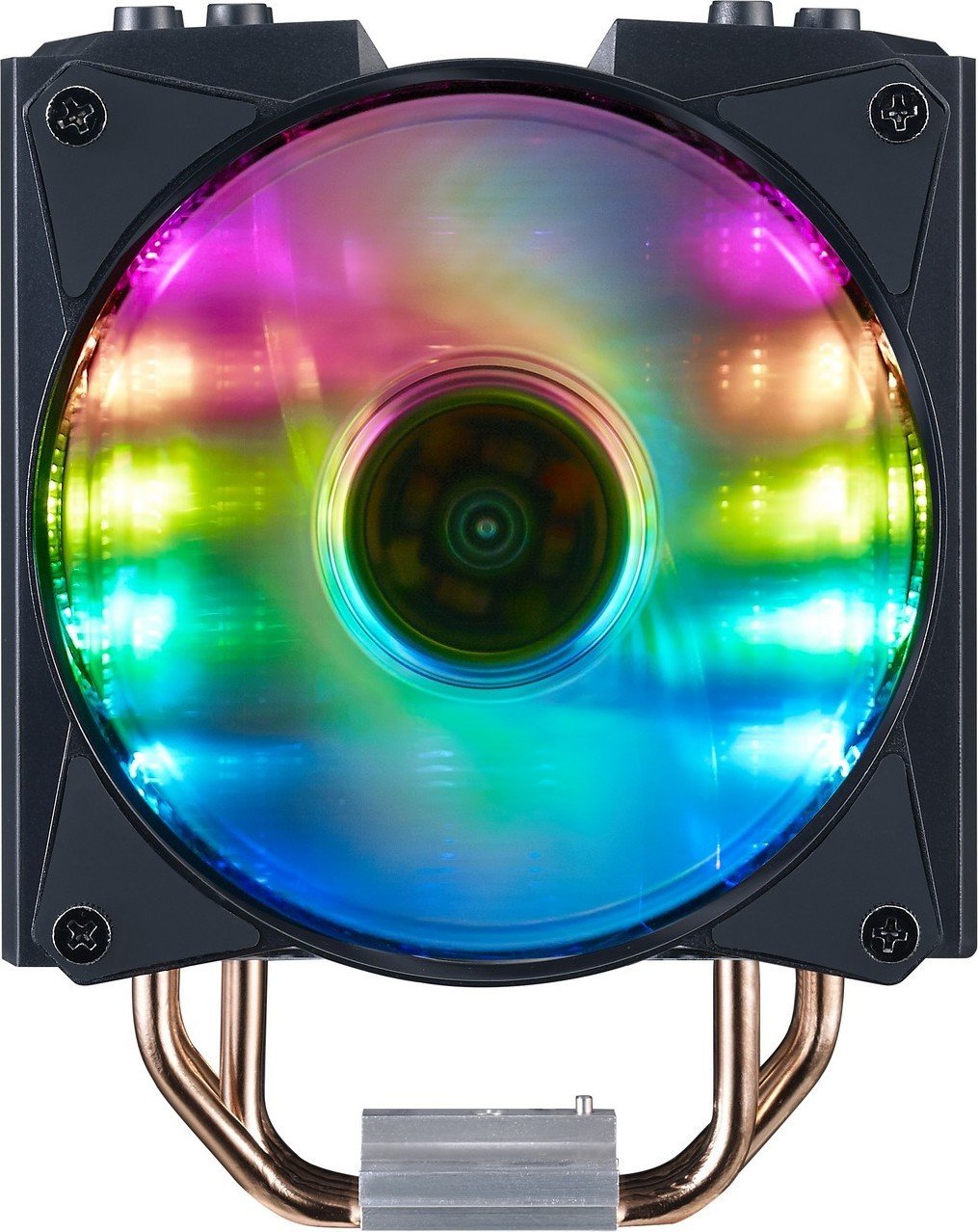
Air Cooling Manuals
Overview
Air cooling manuals are comprehensive guides designed to help users understand, install, operate, maintain, and troubleshoot air cooling systems and related devices. These manuals cover a wide range of cooling technologies — from consumer air conditioners, PC and electronics cooling solutions, and server room cooling units to industrial air coolers and HVAC (Heating, Ventilation, and Air Conditioning) components. A well-written manual balances technical detail with clear instructions, ensuring both novices and experienced technicians can safely and effectively manage air cooling equipment.
Purpose and Audience
Primary Objectives
- Provide safe and correct installation procedures.
- Explain operational modes, settings, and control interfaces.
- Detail routine maintenance, cleaning schedules, and part replacement intervals.
- Offer troubleshooting steps and diagnostics for common faults.
- Ensure compliance with regulatory, safety, and warranty requirements.
Intended Readers
- Homeowners and end-users seeking installation and operating instructions.
- IT administrators and hobbyists managing electronics and PC cooling.
- HVAC technicians and facility managers responsible for commercial and industrial systems.
- Procurement and maintenance staff needing specifications for repairs or replacements.
Structure and Typical Contents
Air cooling manuals are organized to make information easily accessible. Common sections include:
1. Introduction and Safety Information
This section sets expectations and emphasizes safety. It lists warnings, cautions, and prohibited actions to prevent injury, equipment damage, and voiding of warranties. Safety items typically cover electrical hazards, refrigerant handling, and safe lifting/installation practices.
2. Technical Specifications
Detailed specifications give users exact parameters such as cooling capacity (BTU/h or kW), power requirements (voltage, current, frequency), airflow rates (CFM or m3/h), dimensions and weight, refrigerant type (for vapor-compression systems), and environmental operating ranges (temperature and humidity limits).
3. Components and Diagrams
Exploded views, labeled diagrams, and parts lists help users identify components and replacement parts. Electronics-focused manuals include PCB layouts and connector pinouts; HVAC manuals provide piping diagrams, airflow schematics, and control wiring diagrams.
4. Installation Instructions
Install sections provide step-by-step procedures for proper placement, mounting, electrical hookups, and refrigerant connections where applicable. They cover recommended clearances, mounting hardware, grounding and bonding, condensate drain setup, and initial system evacuation or charging procedures for mechanical refrigeration systems.
5. Operation and Controls
This covers how to use the unit: control panel navigation, thermostat settings, fan speed selection, operation modes (cooling, dehumidification, fan-only), and any smart or remote-control features. Manuals for electronics cooling include guidance on fan curves, PWM control, and BIOS/firmware settings for coordinating thermal performance.
6. Maintenance and Cleaning
Regular maintenance instructions extend equipment life and maintain efficiency. Common topics include filter replacement/cleaning, fan and heat sink cleaning, coil cleaning for HVAC, lubrication of bearings if applicable, belt tensioning, inspection schedules, and recommended cleaning agents.
7. Troubleshooting and Diagnostics
Troubleshooting sections provide symptom-based flows: common problems, likely causes, and corrective actions. Examples: insufficient cooling, unusual noise, compressor not starting, fans not spinning, overheating electronic components, and water leaks. Diagnostic codes and their meanings are often included for modern digital systems.
8. Repair and Parts Replacement
Guidance on replacing key parts (compressors, capacitors, fans, filters, thermostats, heat sinks, and thermal interface materials) is provided, including torque values, alignment procedures, and safety precautions. Some manuals include warranty conditions and authorized service center contacts.
9. Testing and Commissioning
Procedures for verifying correct operation after installation or repair include electrical checks, airflow measurements, refrigerant charge verification, leak detection, temperature differentials, and performance tests under load. Electronics cooling manuals may include thermal profiling and stress-test recommendations.
10. Regulatory and Environmental Information
Compliance information (safety standards, energy efficiency ratings, refrigerant regulations such as HCFC/HFC phase-outs) and disposal/recycling instructions for components like refrigerants, PCBs, batteries, and electronic waste are included to meet legal and environmental responsibilities.
Writing Style and Best Practices
A high-quality air cooling manual is clear, concise, and usable. Best practices include:
- Use plain language and minimize jargon. When technical terms are necessary, provide a glossary or inline definitions.
- Structure content logically with numbered steps, checklists, and flowcharts for procedures.
- Include clear diagrams, photos, and labeled schematics. Visuals should be referenced directly in the text and accompanied by captions.
- Highlight safety warnings and critical steps with standardized icons and color-coded callouts in printed or digital formats.
- Provide tables of common symptoms, probable causes, and corrective actions for rapid troubleshooting.
- Offer downloadable resources such as CAD files, firmware updates, wiring harness pinouts, and parts lists for technicians.
Digital Enhancements and Interactivity
Modern manuals often include digital features:
- Interactive PDFs with clickable table of contents and links to diagrams or videos.
- Embedded videos demonstrating installation, maintenance, and troubleshooting tasks.
- Augmented reality (AR) overlays for technicians to identify parts and follow step-by-step repair guidance in the field.
- QR codes on equipment linking directly to the latest manual revision, software downloads, and parts ordering portals.
Safety Considerations and Regulatory Compliance
Because air cooling systems interact with electricity, moving parts, and sometimes refrigerants, strict adherence to safety protocols is essential. Manuals should:
- Instruct on lockout/tagout (LOTO) procedures for electrical isolation before service.
- Provide safe handling guidance for refrigerants and instructions for certified technicians where required by local law.
- Warn about risks of improper airflow or blocked vents leading to overheating, fire hazards, or reduced equipment lifespan.
- Include emergency procedures for events like refrigerant leaks, electrical faults, or smoke detection.
Troubleshooting Common Issues (Examples)
- Poor Cooling Performance: Check air filters, obstructed airflow, refrigerant charge, fan operation, and thermostat calibration.
- Excessive Noise: Inspect fan bearings, loose mounting hardware, compressor vibration isolation, and airflow turbulence sources.
- Water Leaks: Confirm proper condensate drain slope, clear drain traps, verify drain pan integrity, and check for clogged condensate pumps.
- Electrical Failures: Test fuses, breakers, capacitors, contactors, and control boards; verify proper supply voltage and grounding.
- Overheating of Electronics: Ensure heat sinks and fans are clean, thermal interface materials are correctly applied, and ambient temperatures are within rated limits.
Maintenance Schedule (Sample Recommendations)
- Monthly: Inspect and clean or replace filters; visually inspect for debris and obstructions.
- Quarterly: Check fan operation and motor bearings; clean coils and heat sinks; verify condensate drains.
- Biannually: Inspect electrical connections and tighten as needed; test safety controls and thermostats.
- Annually: Perform full system diagnostic, refrigerant leak check, and performance verification; replace worn belts or aging capacitors.
Tailoring Manuals to Different Systems
Air cooling manuals must be adapted to the specific type of system:
- Consumer Room AC Units: Emphasize user-friendly installation, remote control operation, filter cleaning, and seasonal storage.
- PC and Electronics Cooling: Focus on airflow optimization, fan curves, thermal interface compound application, and compatibility with cases and components.
- Data Center and Server Room Cooling: Concentrate on redundancy, hot/cold aisle containment, airflow balancing, CRAC/CRAH unit maintenance, and monitoring integration.
- Industrial Process Cooling: Provide detailed procedures for large-scale refrigeration systems, process integration points, and environmental controls.
Conclusion
Air cooling manuals serve as critical references that ensure equipment is installed, operated, and maintained safely and effectively. They combine technical specifications, clear procedures, troubleshooting flows, and regulatory guidance to support both everyday users and professional technicians. Well-designed manuals reduce downtime, extend equipment life, and ensure compliance with safety and environmental requirements. When selecting or creating an air cooling manual, prioritize clarity, accuracy, up-to-date regulatory information, and practical visual aids to maximize usability and safety.
Search for 166 Manuals online


Type-in Brand or Model