
Bicycle Accessories Manuals
Manuals
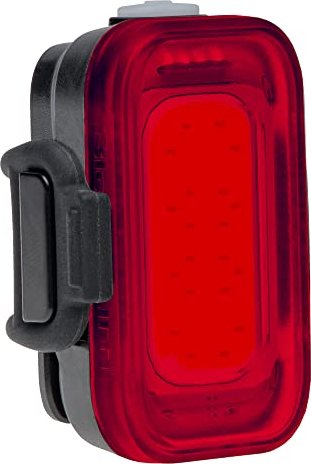
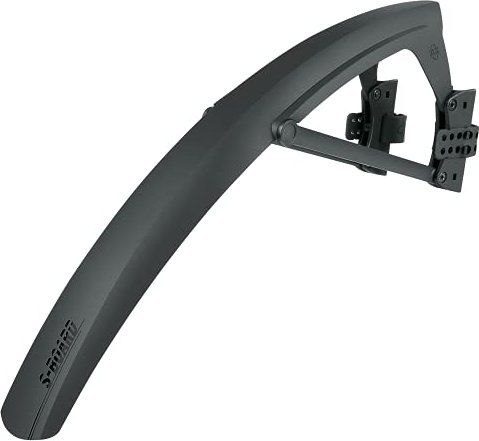
Bicycle Accessories Manuals
Overview
Bicycle accessories manuals are comprehensive guides developed by manufacturers, retailers, and third-party experts to help cyclists install, operate, maintain, and troubleshoot a wide range of bicycle add-ons. These manuals cover accessories such as lights, locks, racks, baskets, fenders, pumps, bike computers, GPS units, phone mounts, hydration systems, child seats, trailers, panniers, mirrors, bells, and various electronic components including lighting systems and electric assist attachments. A well-written manual not only ensures proper use and safe installation but also extends the lifespan of the accessory, optimizes performance, and helps riders get the most value from their purchase.
Purpose and Importance
Safety and Compliance
Safety is the foremost purpose of any accessory manual. Instructions clarify correct installation procedures, torque specifications, and mounting positions to prevent accidents caused by loose fittings or improper placement. Manuals often include warnings and regulatory compliance information related to local laws and standards (for example, lighting requirements, child seat certifications, or helmet compatibility guidance).
Proper Functionality
Accessories frequently interact with the bicycle’s mechanical and electrical systems. Manuals explain how to adjust settings, calibrate sensors, and pair devices (like bike computers or wireless lights) so they operate as intended. This prevents malfunctions such as misaligned racks that strain the frame, improperly inflated tire inserts, or incorrectly paired electronic shifting systems.
Maintenance and Longevity
Routine maintenance instructions—cleaning, lubrication, battery care, firmware updates, and inspection intervals—help prevent premature wear and failures. Manuals often include troubleshooting checklists and replacement part numbers that simplify repairs and keep accessories in service longer.
Common Sections in Bicycle Accessories Manuals
Introduction and Product Description
This section provides an overview of the accessory, its intended use, key features, technical specifications (weight, dimensions, materials, load limits, battery capacity), and a list of included parts and tools. It helps users verify they received everything needed and understand what the accessory can and cannot do.
Safety Warnings and Notices
Manufacturers list potential hazards and safe operating practices. Items covered may include load limits, maximum speeds when using trailers or child seats, battery handling precautions (flammability, disposal, charging), and instructions to keep moving parts clear of clothing or cargo.
Required Tools and Preparation
A checklist of tools (Allen keys, torque wrenches, screwdrivers) and pre-installation steps (cleaning mount points, checking frame compatibility) reduces the risk of incorrect fitting. Where specialized tools are required—such as bottom bracket presses or specific wheel truing tools—the manual will note them and sometimes offer alternatives.
Installation Steps
Installation instructions are typically sequential, with diagrams or photos showing mounting points, bolt orientation, and torque values. Steps include preparing the bike, fitting brackets or clamps, aligning components (light beams, reflectors, child seat angle), and securing fasteners. For adjustable components, instructions show how to set height, reach, or tilt for optimal comfort and safety.
Adjustment and Calibration
Accessories that affect handling or electronics require calibration. Manuals describe how to adjust brake light sensitivity, program multiple lighting modes, set wheel circumference for speed sensors, or calibrate suspension seatpost settings. Clear calibration procedures improve accuracy and user experience.
Operation and Modes
For multi-function accessories, this section explains operational modes, button mappings, indicator lights, and battery-saving behaviors. Examples include cycling through light intensities, pairing a cadence sensor with a bike computer, or using smartphone apps to configure settings for GPS units or smart locks.
Maintenance and Care
Recommended maintenance routines, including cleaning methods, inspection frequency, and replacement guidelines for wear items (straps, seals, batteries), help users preserve functionality. Manuals often provide tips to avoid common mistakes such as overtightening plastic mounts or using solvents that degrade rubber components.
Troubleshooting
A troubleshooting guide lists symptoms, likely causes, and corrective actions. Common entries include flickering lights (loose contact or low battery), GPS signal loss (antenna obstruction or firmware issue), or rattling racks (loose bolts or incompatible frame mounts). This section accelerates repairs and reduces returns.
Technical Support and Warranty
Contact information for customer support, procedures for filing warranty claims, and warranty coverage details are typically included. Some manuals specify required documentation for claims, such as proof of purchase, serial numbers, and photographs of defects.
Parts and Diagrams
Exploded diagrams with part numbers make it easy to identify and order replacement components. This section is crucial for long-term maintenance and for repair shops servicing the accessory.
Types of Manuals by Accessory
Lighting Systems
Manuals for lights cover mounting options, beam alignment, waterproofing ratings (IP codes), charging cycles for rechargeable units, and legal brightness limits. They also explain modes (steady, flashing, daytime running light) and wiring for wired dynamo systems.
Racks, Baskets, and Panniers
Instructions detail frame- and seatpost-mounted options, load limits, anti-sway designs, and secure attachment methods. Users learn how to balance loads, secure pannier hooks, and use quick-release mechanisms safely.
Child Seats and Trailers
These manuals emphasize certification standards, secure attachment to the frame or rack, restraint system instructions, weight and age limits, and helmet usage. They include positioning advice, visibility of the child, and maintenance of harnesses and padding.
Locks and Security Devices
Lock manuals describe locking mechanisms, key management, combination programming, mounting brackets, and rust prevention. For smart locks, instructions cover Bluetooth pairing, firmware updates, and battery replacement.
Pumps and Inflation Systems
Manuals explain compatibility with Presta, Schrader, and Dunlop valves, recommended tire pressures, and how to avoid damaging valve cores. For CO2 inflators or electric pumps, safety guidance for pressurized cartridges or charging is included.
Electronics and Cycling Computers
Guides for head units, sensors, and GPS devices focus on pairing procedures, firmware updates, mounting orientation, antenna placement, and customizing data fields. They also include battery life optimization tips and steps to export ride data.
Mirrors, Bells, and Small Safety Items
Even small accessories have manuals that advise correct mounting angles, audible range for bells, and mirror positioning to reduce blind spots while not interfering with handlebar controls.
Best Practices for Authors of Manuals
- Use clear, concise language and consistent terminology. Avoid jargon or explain it when necessary.
- Include high-resolution diagrams and step-by-step photos with callouts for torque values and orientation marks.
- Provide a quick-start section for experienced users alongside detailed sections for novices.
- Ensure safety warnings are prominent and placed near related instructions (not buried at the back).
- Offer multilingual versions and accessible formats (large-print PDFs, text-only guides) to reach more users.
- Maintain an online repository with firmware updates, downloadable parts diagrams, and video tutorials that complement the printed manual.
Digital Enhancements
Many manufacturers augment printed manuals with QR codes linking to installation videos, interactive 3D models, and app-based setup wizards. Digital guides can provide firmware update notifications, step-by-step overlays for augmented reality installation, and online troubleshooting communities where users and technicians share solutions.
Environmental and Disposal Considerations
Manuals increasingly include guidance for environmentally responsible disposal of electronic components and batteries, recycling of packaging, and recommendations for long-term storage. Proper disposal instructions reduce environmental impact and comply with local e-waste regulations.
Conclusion
Bicycle accessories manuals are vital for ensuring safety, reliability, and user satisfaction. Clear manuals reduce misuse, lower support costs, and extend product life. Whether printed or digital, a good manual combines succinct instructions, thorough safety information, maintenance schedules, and accessible technical support to empower cyclists of all experience levels to install and use accessories confidently.
Search for 166 Manuals online


Type-in Brand or Model