
Hi-Fi Components Manuals
Manuals
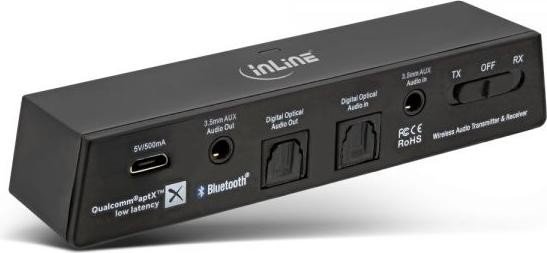
24 Pages
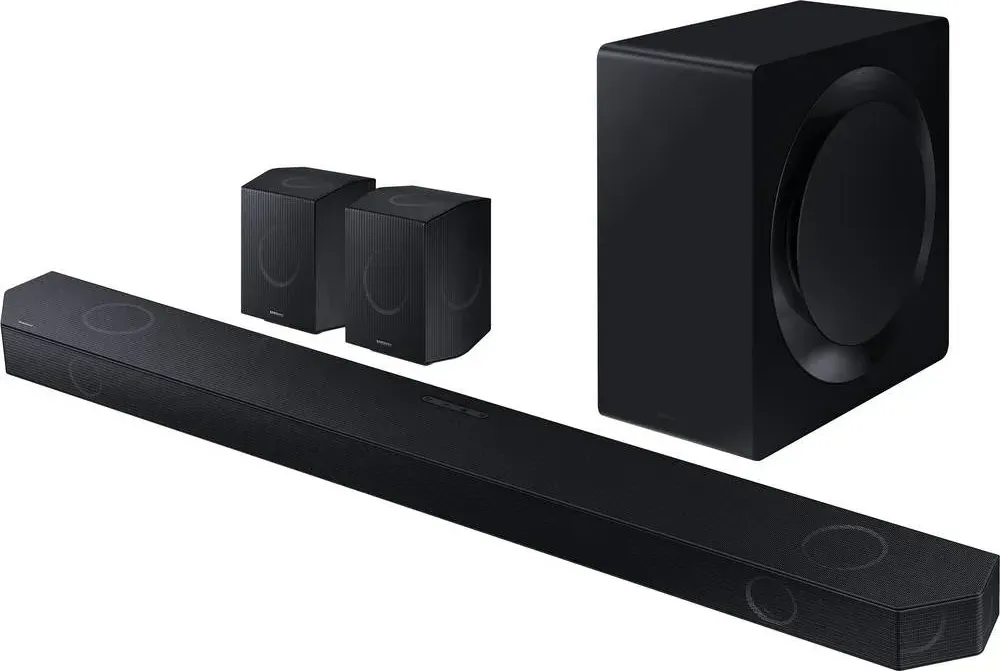
31 Pages
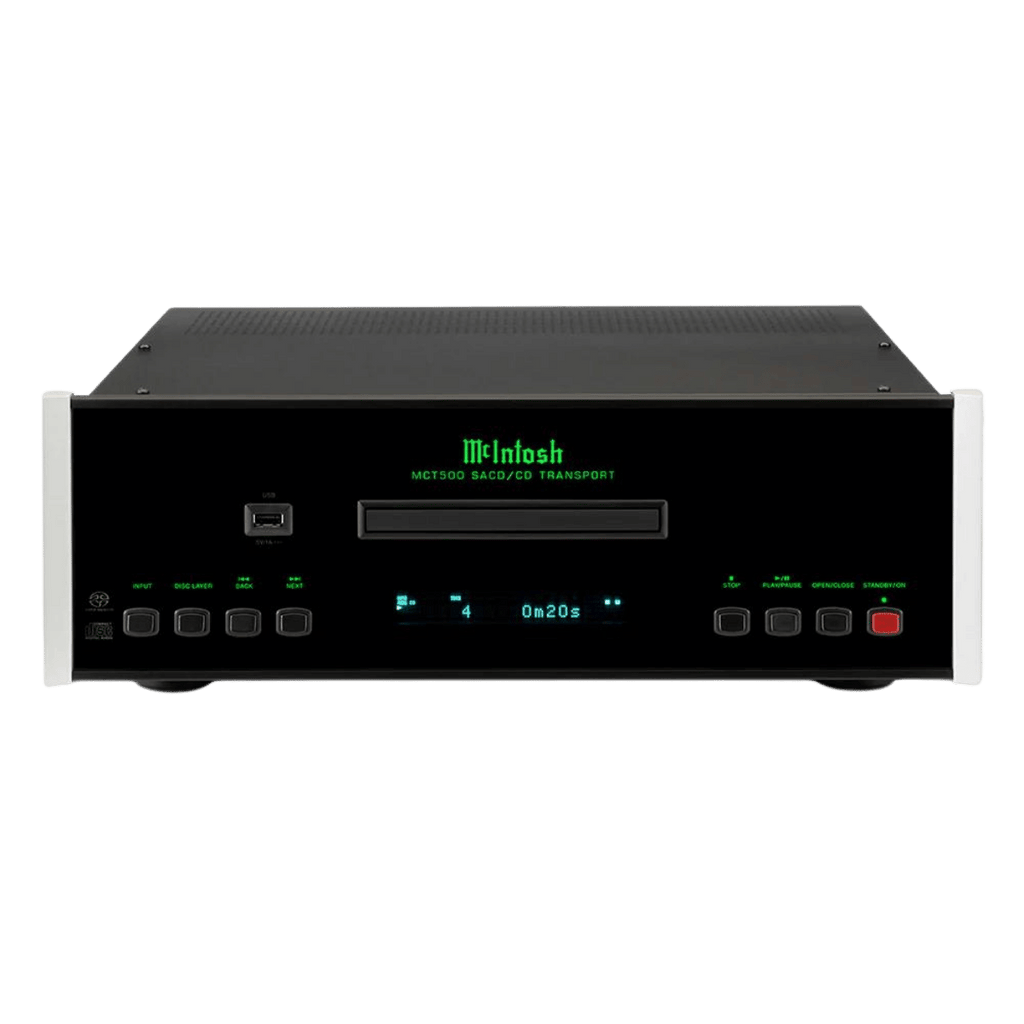
28 Pages
8 Pages
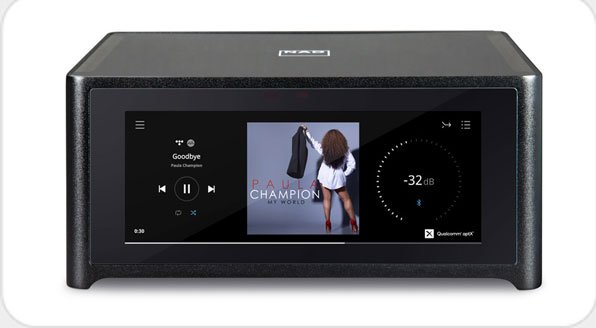
14 Pages
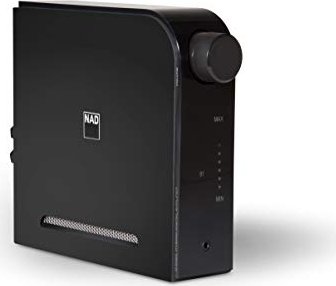
12 Pages
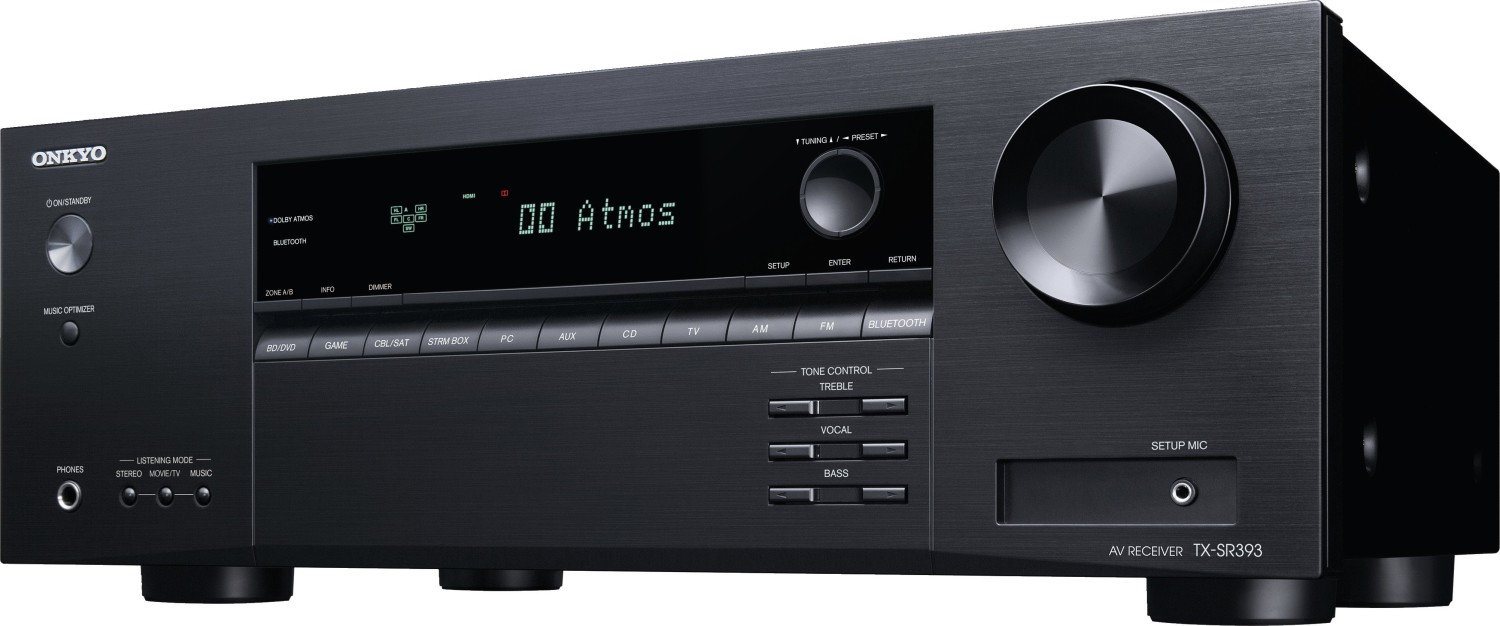
94 Pages
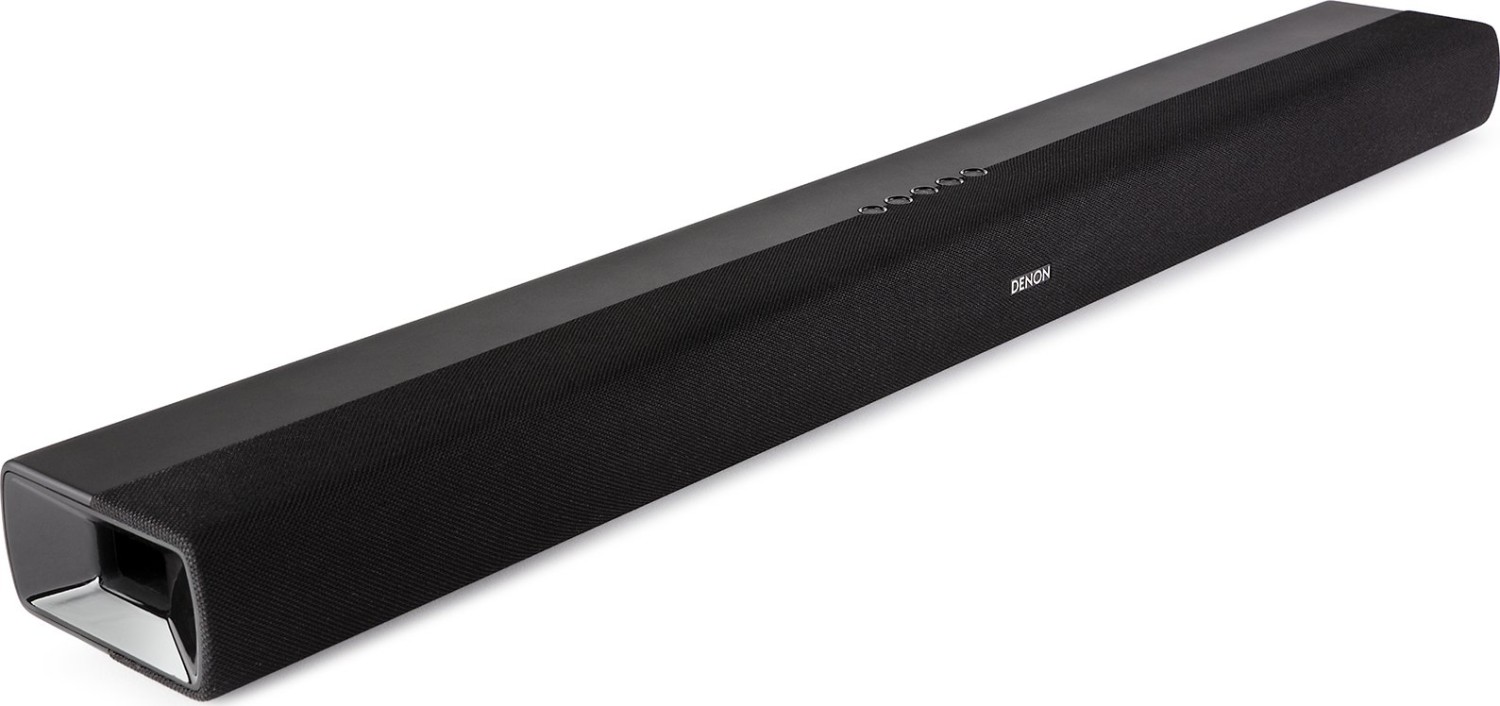
12 Pages
38 Pages
45 Pages
52 Pages
2 Pages
Hi-Fi Components Manuals
Overview
Hi-Fi Components Manuals are comprehensive guides that provide detailed information on the operation, maintenance, troubleshooting, and specifications of high-fidelity audio equipment. These manuals cover a wide range of components including amplifiers, preamplifiers, integrated amplifiers, speakers, turntables, phono cartridges, CD players, DACs, tuners, equalizers, and related accessories. Designed for audiophiles, technicians, and hobbyists, Hi-Fi manuals help users get the best performance from their systems while ensuring longevity and safe operation.
Purpose and Importance
Hi-Fi manuals serve several critical functions:
- User guidance: Step-by-step instructions for setup, basic operation, and everyday use.
- Safety: Precautions and warnings to prevent electric shock, fire hazards, and damage to equipment.
- Technical specifications: Detailed electrical, mechanical, and audio performance figures such as power ratings, impedance, frequency response, THD (total harmonic distortion), S/N ratio, and connectivity options.
- Maintenance: Routine servicing information, recommended cleaning procedures, and parts replacement guidance.
- Troubleshooting: Diagnostic flowcharts, symptom-to-cause mappings, and instructions for common fixes.
- Repair references: Schematics, block diagrams, PCB layouts, parts lists, and service bulletins for technicians.
Without a proper manual, users may misconfigure components, expose devices to risk, or fail to identify faults correctly. Accurate manuals empower owners to optimize sound quality and extend the lifespan of their equipment.
Typical Contents of Hi-Fi Manuals
A well-structured Hi-Fi manual usually includes these sections:
Title Page and Table of Contents
The title page identifies the product name, model numbers, factory, and copyright. The table of contents enables quick navigation to relevant sections.
Safety Information
Important warnings and safety symbols, indications for grounding, proper ventilation, and cautions about exposure to moisture or heat. This section often contains compliance statements for regulatory standards (e.g., CE, FCC) and disposal instructions for electronic waste.
Features and Benefits
A summary of key selling points and unique design attributes such as discrete amplifier topology, balanced inputs, high-current power supplies, precision tonearms, and audiophile-grade components.
Specifications
Detailed technical data including:
- Power output (RMS and peak) per channel at specified load impedances
- Frequency response and bandwidth
- Input sensitivity and impedance
- Signal-to-noise ratio and channel separation
- Distortion figures across power levels and frequencies
- Physical dimensions, weight, and environmental operating ranges
- Connector types and pinouts
Installation and Setup
Guidance for unpacking, placement, rack mounting, and connecting source components. This section often includes cable recommendations (balanced vs unbalanced), grounding practices, speaker placement guidelines, impedance matching notes, turntable isolation, and initial break-in procedures.
Diagrams and Connections
Block diagrams, wiring diagrams, and panel layouts showing input/output connectors, control locations, DIP switch settings, and jumpers. This helps users and technicians understand signal flow and make correct connections between components.
Operating Instructions
Detailed controls explanation: front-panel functions, remote control operations, menu navigation, input selection, volume control behavior, automatic features (mute, soft-start), and advanced modes (mono/stereo, bi-amp, direct bypass). For digital equipment, this includes firmware update procedures and network configuration.
Maintenance and Care
Recommendations for cleaning finishes and connectors, replacing consumables (fuses, belts on tape decks or turntables), lubrication points, and environmental storage conditions. Preventive maintenance schedules help avoid performance degradation.
Troubleshooting
A systematic guide to common problems such as no sound, hum, distortion, one channel dead, overheating, and unreliable remote control operation. Manuals often provide stepwise tests (swap cables, isolate sources, check voltages) to isolate faults.
Service Information and Schematics
For service technicians, manuals may include circuit schematics, printed circuit board layouts, component reference designators, resistor and capacitor values, alignment procedures, test voltages, and waveform plots. These are essential for accurate repairs and calibrations.
Parts List and Exploded Views
A complete list of replaceable parts with manufacturer part numbers, quantities, and sometimes recommended suppliers. Exploded mechanical drawings show assembly order and fastener types for disassembly and reassembly.
Regulatory and Warranty Information
Legal statements about warranty coverage, service centers, terms and conditions, and liability disclaimers. Instructions for returning units for repair or obtaining replacement parts are often included.
Types of Manuals
Hi-Fi manuals come in several forms tailored to different audiences:
- User Manuals: Simplified instructions focused on safe operation and user-level troubleshooting.
- Service Manuals: In-depth technical data and repair instructions for qualified technicians.
- Quick Start Guides: Concise setup steps for consumers to get systems operational rapidly.
- Technical Bulletins and Errata: Manufacturer updates addressing known issues or design changes.
- Online Knowledge Base Articles: Searchable content, firmware downloads, and community-contributed tips.
Each type balances accessibility against technical depth, but accuracy and clarity remain paramount across formats.
Best Practices for Using Hi-Fi Manuals
- Read safety and installation sections before powering any equipment.
- Follow grounding and cable-routing recommendations to minimize hum and interference.
- Use original or recommended replacement parts for high-voltage and critical components.
- Document serial numbers and model details when seeking support or replacement parts.
- Keep digital copies of manuals for quick reference; scan service pages if you own older equipment with only paper manuals.
Common Challenges and How Manuals Address Them
- Legacy Equipment: Older high-end gear may have scarce documentation. Manuals with detailed schematics are invaluable for restoration projects.
- Terminology: Manuals should define technical terms (e.g., damping factor, slew rate) so non-technical users can understand performance implications.
- Firmware and Software: Digital and networked components require clearly explained update procedures and rollback instructions.
- Safety vs Repairability: Manuals must balance user accessibility with cautions against unsafe repairs, directing complex tasks to qualified technicians.
Sourcing and Archiving Manuals
Manuals can be obtained from manufacturers’ websites, authorized service centers, enthusiast forums, online archives, and specialized document repositories. For preservation, it’s advisable to store manuals in multiple formats (PDF, printed copies) and maintain an organized library indexed by brand and model. Enthusiast communities often contribute corrected schematics, calibration procedures, and conversion guides.
Conclusion
Hi-Fi Components Manuals are indispensable resources that enable safe operation, effective maintenance, and accurate repair of audio equipment. Whether you are a casual listener, a serious audiophile, or a professional technician, a well-written manual saves time, prevents damage, and helps achieve optimal sonic performance. Maintaining access to accurate, up-to-date manuals is a cornerstone of responsible ownership and preservation of high-fidelity systems.
Search for 166 Manuals online


Type-in Brand or Model